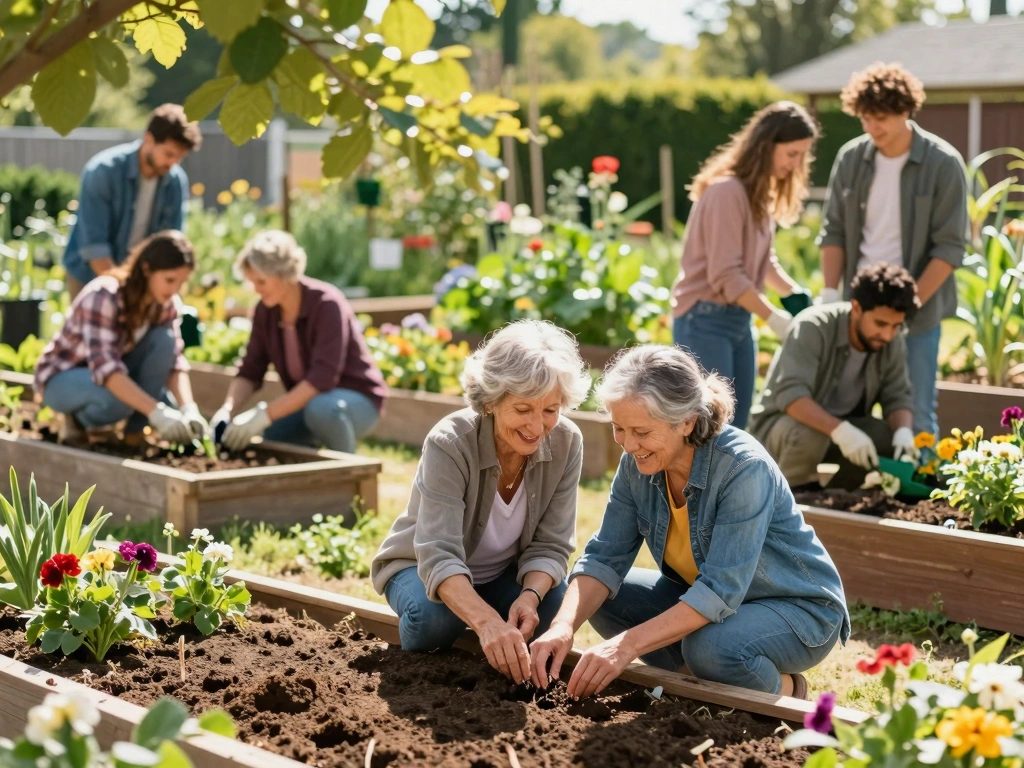
Understanding the Foundations of Mutual Aid Networks

Defining Mutual Aid and Its Importance
Mutual aid refers to the voluntary reciprocal exchange of resources and services for mutual benefit. It is rooted in the idea that communities can come together to support one another, particularly in times of crisis or need. Mutual aid networks empower individuals to take collective action, fostering resilience and self-determination within communities. In an era marked by economic disparity, social isolation, and systemic inequalities, mutual aid networks emerge as vital structures that can address immediate needs while also fostering long-term community cohesion.
Historical Context and Evolution of Mutual Aid
Historically, mutual aid has been a cornerstone of social movements and community organization. From the early labor movements in the 19th century to the civil rights movements and contemporary grassroots efforts, mutual aid has played a crucial role in advocating for justice and equality. For instance, during the Great Depression, mutual aid societies sprang up across the United States, providing food and shelter to those in need. More recently, the COVID-19 pandemic has spurred a resurgence in mutual aid networks, as communities mobilized to address food insecurity, healthcare access, and support for vulnerable populations.
Core Principles Guiding Effective Networks
To build successful mutual aid networks, certain core principles should guide their formation and operation:
- Reciprocity: This principle emphasizes that all members should both give and receive help. It fosters a sense of belonging and encourages participation.
- Solidarity: Solidarity goes beyond charity. It involves understanding and acting upon the root causes of inequality, recognizing that the struggles of one are the struggles of all.
- Autonomy: Mutual aid networks should operate independently, encouraging self-governance and local decision-making.
- Inclusivity: Effective networks actively seek to include diverse voices and perspectives, ensuring that all community members feel valued and represented.
Strategies for Effective Communication within Networks
Creating Clear Communication Channels
Effective communication is paramount in mutual aid networks. Establishing clear channels for communication ensures that all members stay informed and engaged. This can include:
- Email Lists: Use platforms like Mailchimp to create newsletters that share updates, calls for support, and success stories.
- Group Messaging Apps: Tools like WhatsApp or Signal can facilitate real-time communication, making it easier for members to coordinate efforts and respond quickly to emerging needs.
- Regular Meetings: Scheduling regular virtual or in-person meetings fosters a sense of community and allows for open discussions about ongoing challenges and successes.
Utilizing Digital Tools for Coordination
In today’s digital age, leveraging technology can enhance the efficiency and reach of mutual aid networks. Some effective digital tools include:
- Trello or Asana: These project management tools can help organize tasks and responsibilities, ensuring that all members know their roles and deadlines.
- Google Forms: Utilize forms for gathering community needs assessments or volunteer sign-ups, streamlining the process of collecting and analyzing data.
- Social Media Platforms: Facebook groups or Instagram can be powerful tools for outreach, allowing networks to connect with a broader audience and disseminate information quickly.
Fostering Open Dialogue and Feedback
Encouraging open dialogue and feedback is essential for the growth and improvement of mutual aid networks. Implement strategies such as:
- Feedback Surveys: Regularly distribute surveys to gather insights on what’s working, what’s not, and how members feel about the network.
- Discussion Forums: Create space for informal conversations, whether through online forums or regular check-ins, where members can voice their thoughts and concerns.
- Conflict Resolution Mechanisms: Establish clear procedures for addressing grievances and conflicts, ensuring that all members feel heard and respected.
Building Trust and Solidarity Among Members
Strategies for Cultivating Relationships
Trust is the foundation of any effective mutual aid network. Building relationships among members can be achieved through:
- Social Events: Organizing casual meet-ups or community-building activities helps members bond and establish personal connections.
- Peer Support Groups: Facilitating small groups where members can share experiences and support each other can strengthen interpersonal relationships.
- Shared Responsibilities: Assigning members to work on specific projects together fosters collaboration and trust through shared experiences.
Encouraging Inclusivity and Diversity
A truly effective mutual aid network embraces inclusivity and diversity. Strategies to promote this include:
- Outreach Initiatives: Actively reach out to marginalized communities to ensure their voices and needs are represented within the network.
- Language Accessibility: Provide materials in multiple languages and consider language interpretation services to accommodate non-English speakers.
- Representation: Ensure that leadership roles within the network reflect the diversity of the community, promoting varied perspectives in decision-making.
Addressing Conflicts and Challenges Constructively
Conflict is inevitable in any community. Addressing it constructively is crucial to maintaining trust and solidarity. Effective methods include:
- Facilitated Discussions: Use neutral facilitators to mediate conflicts, ensuring that all parties have the opportunity to express their views.
- Clear Conflict Resolution Policies: Document and communicate policies on how conflicts will be handled, ensuring transparency and accountability.
- Restorative Practices: Employ restorative justice techniques that focus on repairing harm and restoring relationships rather than punitive measures.
Resource Management and Allocation Best Practices
Assessing Community Needs and Priorities
Understanding the specific needs of the community is vital for effective resource management. Strategies for assessing needs include:
- Community Surveys: Conduct surveys to gather data on the most pressing needs within the community, ensuring that responses guide resource allocation.
- Focus Groups: Organize focus group discussions with community members to dive deeper into specific issues and gather qualitative data.
- Partnerships with Local Organizations: Collaborate with local nonprofits or service providers to gain insights into community needs and existing resources.
Transparent Decision-Making Processes
Transparency in decision-making is crucial for building trust and accountability. Effective practices include:
- Open Meetings: Hold open meetings where all members can participate in discussions about resource allocation and network priorities.
- Documented Processes: Create and share written guidelines that outline how decisions are made, who is involved, and the criteria for resource distribution.
- Regular Updates: Keep members informed about decisions made and the rationale behind them through newsletters or meeting minutes.
Equitable Distribution of Resources
Ensuring that resources are distributed equitably is critical to the success of mutual aid networks. Best practices include:
- Needs-Based Allocation: Prioritize resources for those in the greatest need, using data gathered from community assessments.
- Participatory Budgeting: Engage members in discussions about budget allocations, allowing them to vote on how resources should be spent.
- Regular Evaluations: Continuously evaluate the impact of resource distribution to ensure it meets the evolving needs of the community.
Evaluating and Adapting Network Practices
Establishing Metrics for Success
To measure the effectiveness of mutual aid networks, it is essential to establish clear metrics for success. These can include:
- Participation Rates: Track the number of active members and volunteers to gauge community engagement.
- Resource Distribution Metrics: Measure the volume and types of resources distributed, assessing whether they align with community needs.
- Impact Assessments: Develop qualitative and quantitative assessments to evaluate the overall impact of the network on community well-being.
Regularly Reviewing Network Goals and Activities
Regularly reviewing goals and activities is vital for ongoing improvement. Best practices include:
- Annual Reviews: Conduct comprehensive annual reviews of network objectives, activities, and outcomes to assess progress and areas for improvement.
- Member Feedback Sessions: Host sessions where members can discuss what is working well and what needs adjustment.
- Adaptation Plans: Create plans for adapting strategies based on feedback and changing community needs.
Encouraging Continuous Learning and Improvement
Fostering a culture of continuous learning is essential for the sustainability of mutual aid networks. Strategies include:
- Workshops and Training: Offer workshops on relevant topics such as conflict resolution, resource management, and community organizing to enhance member skills.
- Documented Best Practices: Create a repository of best practices and lessons learned that can be shared with current and future members.
- Networking with Other Groups: Engage with other mutual aid networks to share experiences, strategies, and insights, fostering a community of practice.